
The Economics Of Disaster
-
Wendell Brock
- Dec 17, 2025
- 2 min read
Natural disasters like wildfires, hurricanes, floods are becoming more frequent and intense, and their economic impact stretches far beyond immediate damage. In recent years, these disaster events have reshaped not only community resilience but national macro-financial trends.
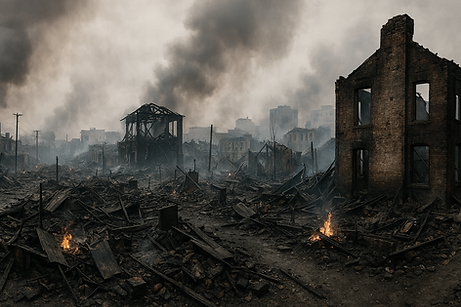
From 1980 to 2024, the U.S. endured 403 weather and natural disasters, each costing at least $1 billion, amounting to a staggering $2.9 trillion in total damages. Bloomberg has reported that in just the first half of 2025, floods, fires, and storms caused over $101 billion in economic losses.
How do disasters hit the Economy? We’ve seen the destruction of capital; physical assets like homes, factories, roads, and power infrastructure are destroyed or heavily damaged. That’s a direct hit to productive capacity. When capital is lost, labor has less to work with, which reduces workers’ productivity and lowers GDP.
Disaster recovery demands large injections of Federal spending. In recent years, disaster-related federal spending has soared. In fact, Bloomberg Intelligence estimates that over $7.7 trillion of U.S. GDP growth since 2000 has been tied to recovery and resilience spending.
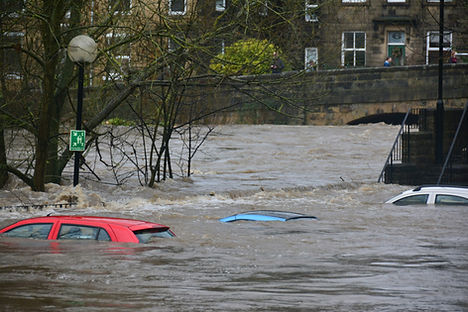
On the flip side, sectors like insurance, construction, self-storage, and energy infrastructure benefit from rebuilding. Bloomberg’s “Prepare and Repair Index,” which tracks companies tied to disaster recovery, has outperformed the S&P 500 by ~6.5% annually over the past decade.
At the local level, the effects of disaster are felt deeply. Disasters disrupt employment and business activity. Factories may halt, roads may collapse, and supply chains break, reducing economic output immediately. Poorer regions struggle most, while wealthier areas can mobilize resources to rebuild quicker,. Marginalized communities often lack the capital and insurance coverage to fully recover. Public infrastructure, such as schools or hospitals damaged in disasters, may not get rebuilt to previous levels. In some cases, populations shrink, as residents relocate permanently.
Beyond infrastructure, disasters inflict trauma, displace families, and degrade natural capital. Many of these losses aren’t captured in GDP: mental health, environmental degradation, and disrupted social networks fall through the cracks of traditional economic metrics.
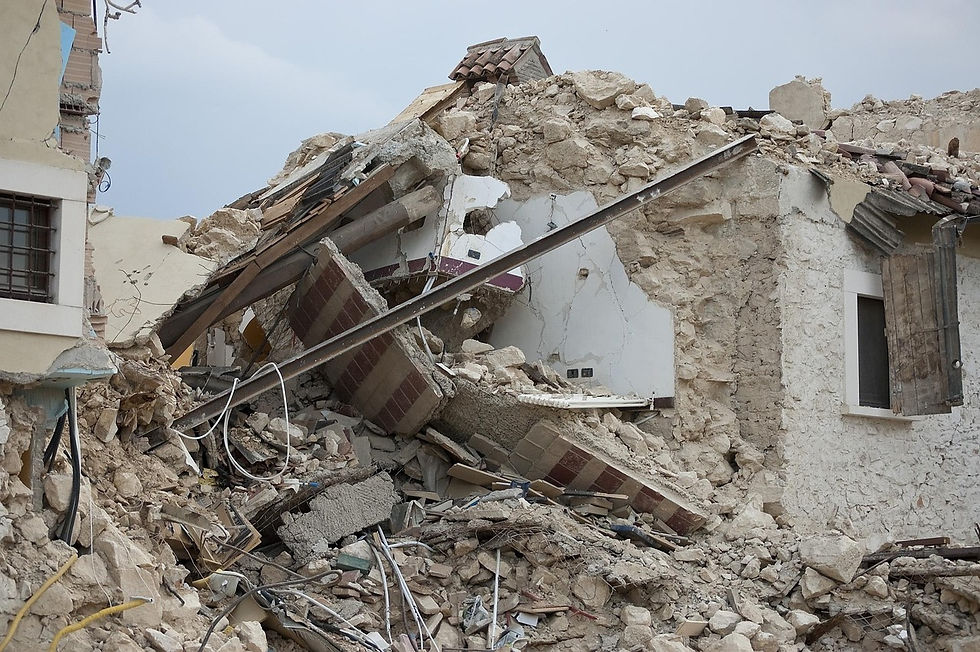
“Recovery Booms” can be misleading. It’s tempting to say disasters are "good for the economy" because rebuilding creates work. But economists caution against this view. The broken window fallacy shows that destruction doesn’t create real wealth. Repairing damage, like a broken window, stimulates spending but diverts resources from productive uses, meaning no net economic gain occurs. Rebuilding after disasters or crises may create visible activity, but it doesn’t replace what was lost or generate true growth wealth.
Even if GDP ticks up during recovery, that growth often masks destroyed value. Total output has declined, capital has been permanently lost, and long-term social costs remain.
As disasters intensify, policymakers and investors should rethink their priorities. Building resilient infrastructure, improving building codes, and expanding insurance access are no longer just moral or planning issues, they’re economic imperatives.
From a macro perspective, disaster risk is now a driver of growth in some sectors. But at the community level, resilience is a lifeline.
Photo by Chris Gallagher
Photo by Angelo Giordano