It Shall Be
-
Wendell Brock
- Jun 20, 2023
- 2 min read
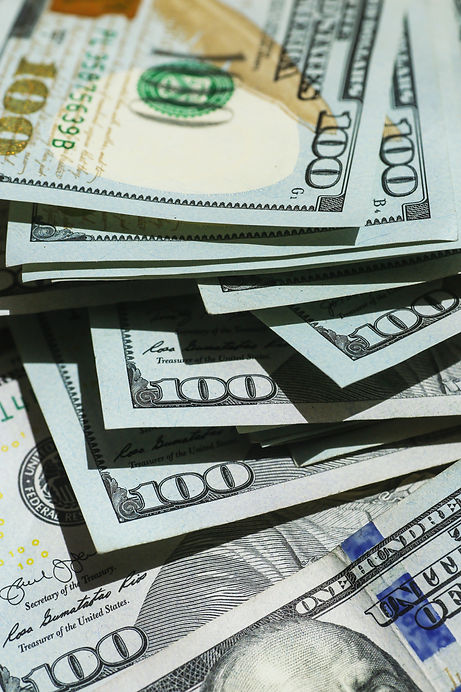
Money exchanges hands every day. Whether its paying cash at the store, using a debit or credit card at the gas pump, or paying bills online. How is it that these myriad ways of spending money is consistent and accepted all across our country? What gives our money it’s value?
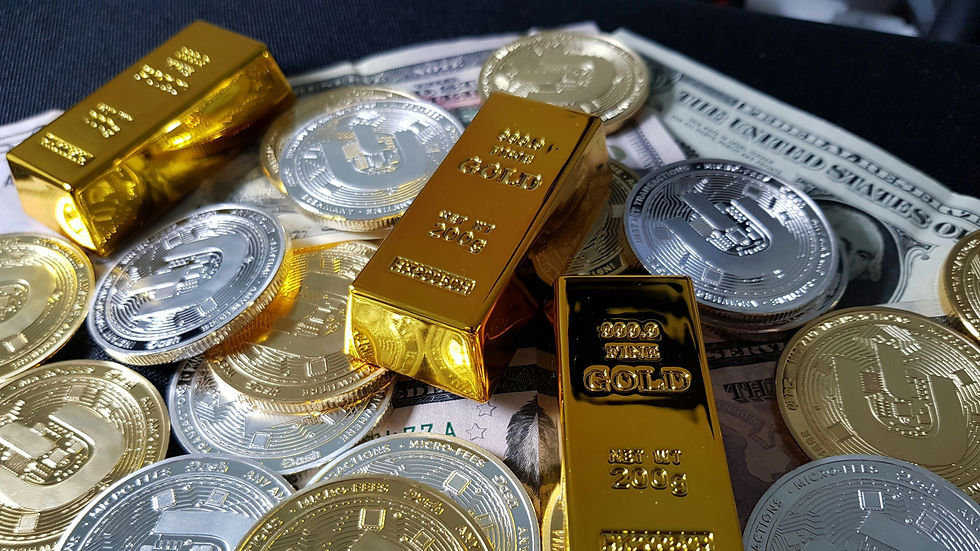
At one time, our money was backed by the value of gold, this was known as the gold standard. However, in 1971 President Nixon abandoned the gold standard in an effort to curb inflation and prevent foreign nations from depleting the national stores by redeeming their dollars for gold. With the gold standard the government could only print as much money as they had gold.
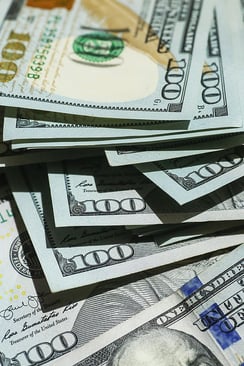
Because fiat money is not linked to a fixed resource like gold, it’s not scare, so central banks are able to control the supply, giving them more power to manage things like credit supply, interest rates, liquidity, and the velocity of money.
While this system works to stabilize the economy and curb inflation, it is a delicate balance. Behind all the bureaucracy and regulations, if a people lose faith in their government, the currency will no longer hold value. In simple terms, our money has value because of the confidence we place in our government. We trust them to honor the value they have set forth.
This can be problematic; if a government begins making choices that the people do not agree with, the people will lose their confidence in the government and their currency would become worthless, crippling the economy.
There is no perfect system. There are pros and cons with both gold standard and fiat money. The one truth that holds true no matter which money system is used: you can’t spend your way out of debt. Which ever currency you have, you need to manage it well.
Photo by Giorgio Trovato

Post a comment